

Stepping into the kitchen with the warm scent of coconut filling the air instantly transports me to sun-drenched beaches, where every bite of this Coconut Custard Cake brings a piece of paradise to my table. This enchanting dessert combines layers of fluffy, moist cake with a rich custard that’s delightfully comforting. Not only is this Coconut Custard Cake recipe a crowd-pleaser for any gathering, but its vibrant tropical flavors also make it perfect for brightening up a cozy evening at home. Plus, it’s surprisingly simple to whip up, meaning you can indulge without hours in the kitchen! Ready to discover how to create this slice of heaven and impress your loved ones? Let’s dive into the recipe!

Why is Coconut Custard Cake a Must-Try?
Indulgent Flavors: Each bite of this stunning cake melds the richness of coconut with the silky smoothness of custard, creating a taste experience that’s utterly divine.
Effortless Preparation: With simple ingredients and straightforward steps, this Coconut Custard Cake recipe is perfect for budding bakers and experienced chefs alike, allowing you to create something spectacular without fuss.
Versatile Pairings: Serve it with fresh fruits, or enjoy it alongside a cup of coffee or tea for a charming afternoon treat. This cake doesn’t just shine on its own; it amplifies your dessert table beautifully!
Perfect for Gatherings: Whether it’s a birthday celebration or a cozy family dinner, this cake is a guaranteed crowd-pleaser that will leave your guests wanting more. Looking for more crowd-friendly options? Check out my delightful Buttercream Frosted Cake or the decadent Strawberry Bliss Cake.
Cultural Charm: Celebrate with a touch of tropical inspiration, paying homage to coconut desserts that have long been enjoyed in festive settings. This recipe is sure to become a cherished favorite in your home!
Coconut Custard Cake Ingredients
For the Cake
• All-Purpose Flour – Provides structure to the cake layers; substitute with gluten-free flour for a gluten-free version.
• Baking Powder – This leavening agent helps the cake rise; ensure it’s fresh for optimal effectiveness.
• Salt – Enhances flavor; don’t omit as it balances the sweetness beautifully.
• Butter – Adds moisture and richness to the cake; can be replaced with coconut oil for a dairy-free option.
• Sugar – Sweetens the cake; brown sugar can be used for a deeper flavor profile.
• Vegetable Oil – Keeps the cake moist; can be substituted with melted butter if desired.
• Coconut Extract – Intensifies the tropical flavor of the cake; can be replaced with vanilla extract in a pinch.
• Vanilla Extract – Adds depth of flavor.
• Eggs – Provide structure and moisture; for a vegan option, try a flaxseed meal egg substitute.
• Coconut Milk – Essential for moisture and coconut flavor; almond or oat milk can be used for a lighter taste.
• Shredded Coconut – Adds texture and extra coconut goodness; feel free to use sweetened or unsweetened based on your preference.
For the Custard
• Cornstarch – This vital ingredient thickens the custard; there’s no direct substitute, but flour can work in a pinch.
• Butter – Enhances richness in the custard; use unsalted for more control over the final flavor.
• Coconut Milk – Utilizes this creamy milk to enhance the overall taste; makes the custard extra luscious.
For the Frosting
• Cream Cheese – Brings richness to the frosting; can be swapped for a non-dairy cream cheese alternative if needed.
• Powdered Sugar – Sweetens and stabilizes the frosting; a sugar substitute can be used for a lower-sugar option.
• Coconut Extract – Adds an extra layer of coconut flavor, tying the cake and frosting together beautifully.
• Toasted Shredded Coconut – This topping adds delightful crunch and visual appeal; ensure it’s lightly golden for the best flavor.
This Coconut Custard Cake recipe beautifully combines all these ingredients to create a dessert experience that’s as inviting as it is delicious!
Step‑by‑Step Instructions for Coconut Custard Cake Recipe
Step 1: Preheat the Oven and Prepare Cake Pans
Begin by preheating your oven to 350°F (175°C). While the oven warms up, grease two 9-inch round cake pans with butter or cooking spray, then lightly dust them with flour to prevent sticking. This preparation is essential for achieving beautifully baked layers for your Coconut Custard Cake.
Step 2: Combine Dry Ingredients
In a mixing bowl, whisk together 2 cups of all-purpose flour, 1 tablespoon of baking powder, and a pinch of salt. Ensure everything is well combined and evenly aerated, which will contribute to the cake’s light and fluffy texture. Set this mixture aside as you prepare the wet ingredients.
Step 3: Cream Butter and Sugar
In a stand mixer, cream together ½ cup of softened butter and 1 cup of sugar until the mixture appears light and fluffy, about 3-5 minutes on medium speed. Next, add in ½ cup of vegetable oil, 1 teaspoon of coconut extract, and 1 teaspoon of vanilla extract, mixing well to combine these ingredients. This will create a rich base for your Coconut Custard Cake.
Step 4: Incorporate Eggs and Dry Ingredients
Add the eggs, one at a time, to the butter and sugar mixture, ensuring each is well incorporated before adding the next. Gradually alternate adding the dry flour mixture and 1 cup of coconut milk, mixing on low speed until just combined. Avoid over-mixing to keep your cake tender and soft.
Step 5: Bake the Cake Layers
Evenly divide the batter between the two prepared cake pans. Gently smooth the tops with a spatula, then place them in the preheated oven. Bake for 30-35 minutes, or until a toothpick inserted in the center comes out clean. Once done, remove the cakes from the oven and allow them to cool in the pans for about 10 minutes before transferring to a wire rack.
Step 6: Prepare the Custard Filling
For the custard, whisk together 4 egg yolks, ½ cup of sugar, and ¼ cup of cornstarch in a saucepan. Gradually stir in 2 cups of coconut milk and place the mixture over medium heat. Cook while continuously whisking until the custard thickens, which will take about 8-10 minutes. Remove from heat and stir in 2 tablespoons of butter and 1 teaspoon each of coconut and vanilla extract. Allow it to cool to room temperature.
Step 7: Toast the Coconut
In a dry skillet over medium heat, add 1 cup of shredded coconut. Stir frequently until the coconut is toasted to a golden brown color, about 3-5 minutes. Keep a close eye on it to prevent burning, as the color can change rapidly. Set aside for topping the finished cake.
Step 8: Make the Frosting
In a mixing bowl, beat together 8 ounces of cream cheese and 1 cup of powdered sugar until smooth and creamy. Gradually mix in 1 teaspoon of coconut extract, followed by folding in half of the toasted coconut. This creamy frosting will provide a luscious finish to your Coconut Custard Cake.
Step 9: Assemble the Cake
Once the cake layers are completely cooled, place one layer on a serving platter. Spread a generous amount of the cooled custard filling over this base layer, ensuring it reaches the edges. Then, gently place the second layer on top and frost the entire cake with the cream cheese frosting, creating a beautiful and enticing appearance.
Step 10: Garnish and Serve
Finish by sprinkling the remaining toasted coconut on top of the frosted cake for a delightful crunch. Your Coconut Custard Cake is now ready to be sliced and served. Enjoy sharing this tropical indulgence at your next gathering, where its luscious flavors will surely impress!
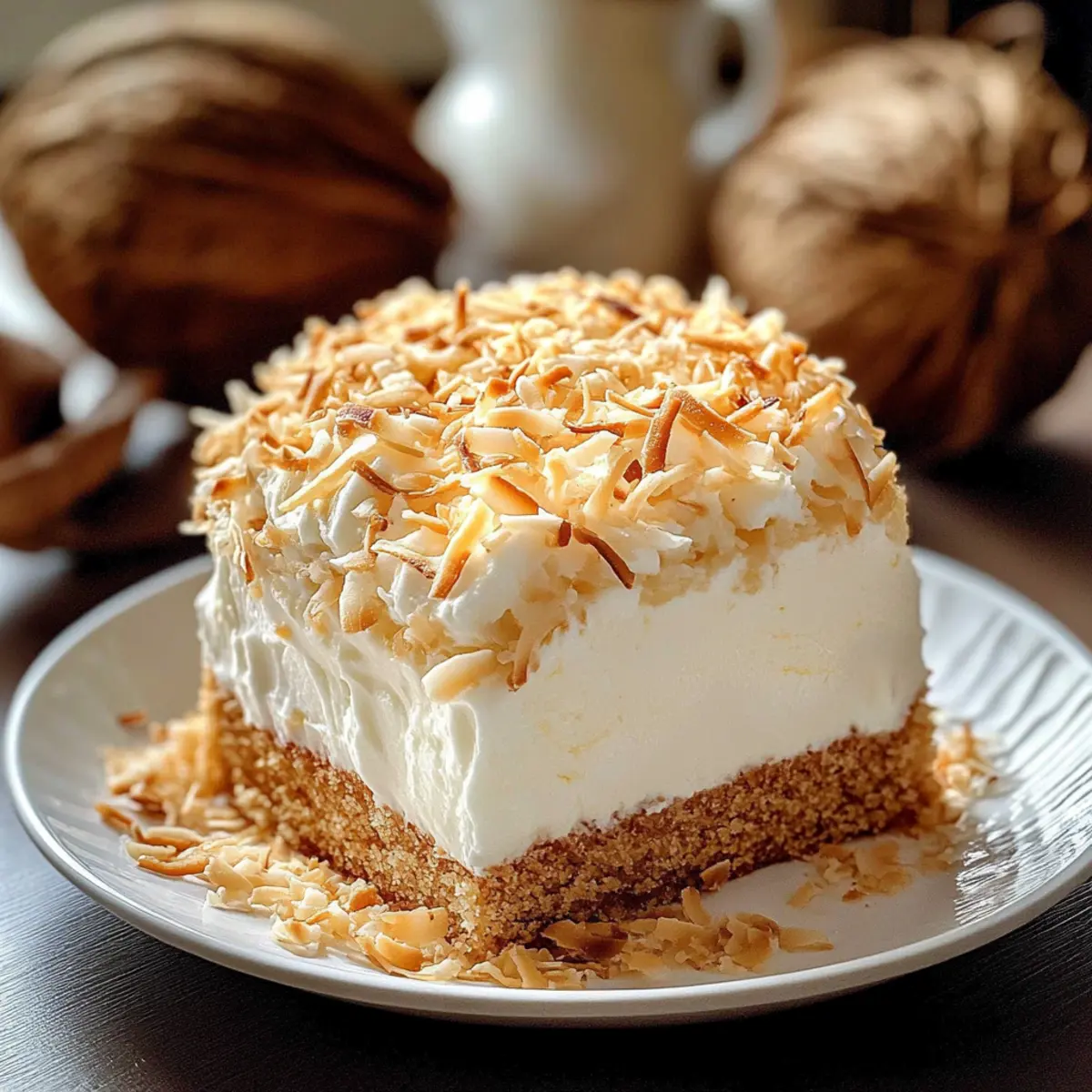
What to Serve with Coconut Custard Cake
Indulging in a slice of this tropical delight opens up a world of pairing possibilities that enhance every bite.
-
Fresh Pineapple Salsa: The bright acidity and sweetness of pineapple salsa create a perfect balance with the creamy cake, adding a refreshing contrast.
-
Coconut Whipped Cream: Fluffy and light, this whipped cream mirrors the cake’s tropical flavor, providing an extra layer of indulgence.
-
Berry Compote: A tangy berry compote adds a tart note that complements the sweetness of the cake, making it a delightful contrast.
-
Mango Sorbet: The fruity, icy treat refreshes your palate between bites while echoing the coconut theme for a harmonious dessert experience.
-
Iced Coffee: The rich notes of iced coffee cut through the cake’s sweetness, creating a delightful harmony that coffee lovers will adore.
-
Herbal Tea: A soothing cup of herbal tea pairs well, balancing the richness of the coconut custard and adding a relaxing touch to your dessert experience.
-
Chocolate Drizzle: A simple drizzle of chocolate ganache introduces a delicious depth, creating an indulgent twist on this classic.
Each of these pairings brings a unique flavor profile, enhancing your Coconut Custard Cake experience and transforming it into a truly memorable feast!
Storage Tips for Coconut Custard Cake
Room Temperature: The cake can be kept at room temperature for up to 1 day, covered lightly to prevent drying out.
Fridge: Store leftovers in an airtight container in the refrigerator for up to 3 days. This will help maintain its moistness and flavor.
Freezer: For longer storage, freeze the cake layers separately, wrapped tightly in plastic wrap, for up to 2 months. Thaw in the fridge overnight before serving.
Reheating: If desired, gently reheat individual slices in the microwave for about 10-15 seconds to enjoy the coconut custard goodness warm.
Make Ahead Options
These Coconut Custard Cake preparations are perfect for busy home cooks looking to save time! You can prepare the cake layers up to 24 hours in advance by baking them, allowing them to cool, and then wrapping them tightly in plastic wrap. The custard can also be made ahead and refrigerated for up to 3 days; just ensure it’s covered to maintain its creamy texture. When you’re ready to assemble, layer the chilled custard between the cake layers, frost with the cream cheese frosting, and top with toasted coconut for that delightful, fresh finish. This way, you’ll have a stunning dessert ready to impress without the last-minute rush!
Expert Tips for Coconut Custard Cake
• Fresh Ingredients: Always use fresh baking powder and eggs to ensure your Coconut Custard Cake rises properly and has the best flavor.
• Room Temperature Eggs: Let your eggs sit at room temperature before adding to the batter for a better emulsion, helping create a moist cake.
• Don’t Rush Cooling: Allow the cake layers to cool completely before assembly; this prevents melting the frosting and helps maintain the design.
• Whisk Custard Constantly: Be sure to whisk the custard continuously while cooking to avoid delicious lumps and achieve that creamy texture that’s irresistible!
• Toast with Care: Watch your shredded coconut carefully while toasting; it can quickly go from golden to burnt. A light toast enhances flavor beautifully!
These tips will help you create the perfect Coconut Custard Cake that is sure to impress your family and friends!
Coconut Custard Cake Recipe Variations
Feel free to get creative with this coconut delight and make it your own!
-
Vegan Twist: Use flaxseed meal as an egg substitute and coconut oil instead of butter for a completely plant-based version.
For a lovely vegan alternative, the combination of coconut milk and flaxseed binds beautifully, ensuring your cake remains moist and flavorful. -
Gluten-Free Option: Substitute all-purpose flour with a gluten-free blend to cater to gluten sensitivities while maintaining a delicious taste.
This option allows everyone to enjoy the tropical flavors without compromising texture. Ensure the blend includes a thickener for best results! -
Dairy-Free Delight: Swap cream cheese frosting for whipped coconut cream for a luscious, airy finish.
Not only does this keep it dairy-free, but the whipped coconut cream adds an ethereal lightness that complements the coconuts perfectly. -
Flavored Extracts: Experiment with flavors by mixing in almond or lemon extracts for a different taste experience.
Almond extract offers a lovely nutty note, while lemon zests up the dessert with a refreshing twist that brightens every bite! -
Chocolate Lovers: Drizzle chocolate ganache between the layers or use it as frosting for a rich, indulgent treat.
The splash of chocolate brings a decadent layer that transforms this cake into a bittersweet tropical fantasy. -
Tropical Fruits: Layer in slices of mango or pineapple for a fruity surprise within the cake!
Adding fresh fruits not only infuses the cake with natural sweetness but also gives it a beautiful tropical flair. -
Add Some Crunch: Include crushed nuts or granola into the batter or as a topping for extra texture.
This lovely addition offers a delightful crunch that complements the soft custard and fluffy layers beautifully.
For more delightful suggestions, explore my tasty Strawberry Shortcake or warm up with a comforting bowl of Thai Shrimp Coconut Soup. Dive into the world of vibrant flavors, and remember, your kitchen is your canvas!
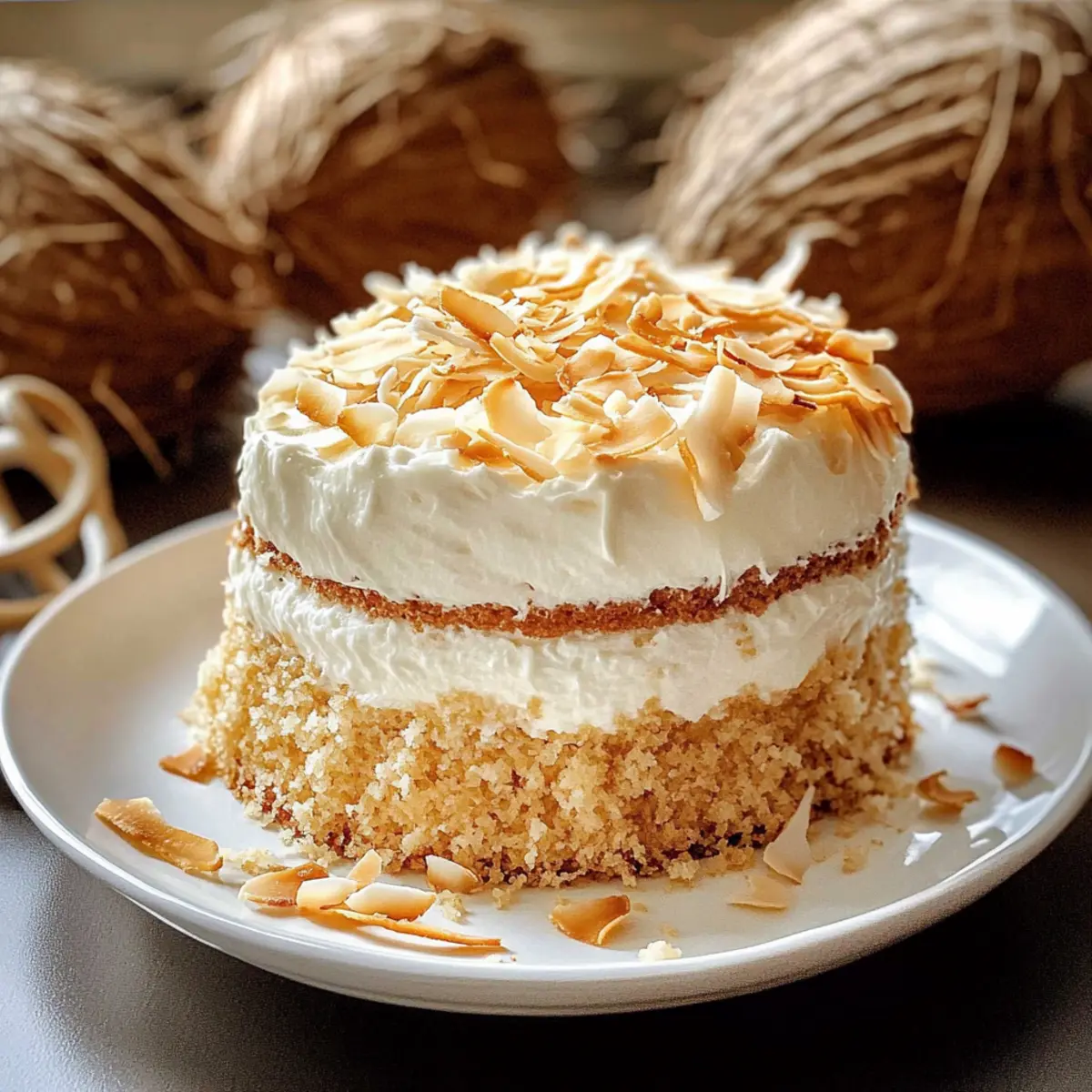
Coconut Custard Cake Recipe FAQs
How do I select ripe coconuts for this recipe?
When selecting coconuts, look for ones that feel heavy for their size, indicating that they contain more water. Shake it gently; if you hear sloshing, it’s fresh. Check for any dark spots or cracks on the shell, which may indicate spoilage.
What’s the best way to store Coconut Custard Cake?
To store your Coconut Custard Cake, keep it in an airtight container in the refrigerator for up to 3 days. This helps retain its moisture and flavor. If you want to keep it fresh longer, freeze the cake layers separately, tightly wrapped in plastic wrap for up to 2 months. Just remember to thaw them in the fridge overnight before serving!
Can I freeze Coconut Custard Cake?
Absolutely! To freeze, slice the cake or keep it whole, wrapping it in plastic wrap and then aluminum foil to protect against freezer burn. It can be stored for up to 2 months. When you’re ready to enjoy it, simply thaw in the refrigerator overnight. You can also gently reheat in the microwave for a warm dessert experience!
What should I do if my custard turns lumpy?
If your custard ends up lumpy, don’t fret! Just pass it through a fine sieve into a bowl to remove the lumps. To prevent this in the future, whisk the mixture consistently while heating, ensuring it thickens evenly and smoothly.
Is this Coconut Custard Cake suitable for those with allergies?
While this Coconut Custard Cake recipe contains eggs and dairy, there are easily adaptable substitutions! You can use flaxseed meal as an egg substitute for a vegan option, and non-dairy cream cheese for a dairy-free frosting. Always double-check ingredient labels to ensure they meet your specific dietary needs.
Can I use different types of coconut for this recipe?
Yes, you can! For a more intense coconut flavor, opt for unsweetened shredded coconut in the cake batter and custard. Sweetened coconut can also be used for a sweeter touch. Additionally, you can experiment with coconut cream instead of coconut milk for a richness that’s heavenly!
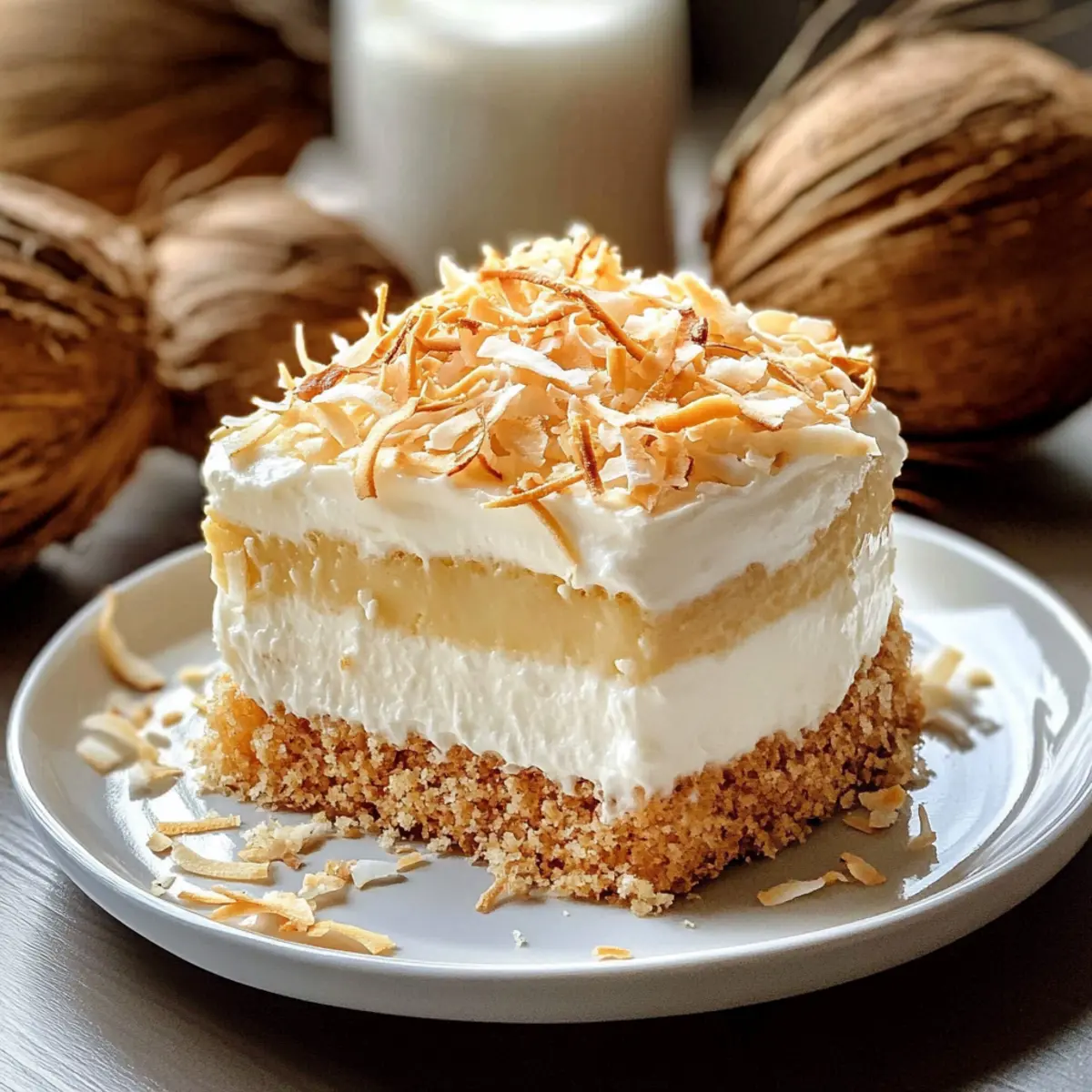
Coconut Custard Cake Recipe: A Tropical Taste Adventure
Ingredients
Equipment
Method
- Preheat the oven to 350°F (175°C) and prepare cake pans by greasing and dusting with flour.
- Whisk together 2 cups of all-purpose flour, 1 tablespoon of baking powder, and a pinch of salt in a mixing bowl.
- Cream together ½ cup of softened butter and 1 cup of sugar until light and fluffy, then mix in ½ cup of vegetable oil, 1 teaspoon of coconut extract, and 1 teaspoon of vanilla extract.
- Add the eggs one at a time, alternating with the dry ingredients and 1 cup of coconut milk, mixing on low speed.
- Divide the batter between the prepared cake pans and bake for 30-35 minutes until a toothpick comes out clean.
- For the custard, whisk together 4 egg yolks, ½ cup of sugar, and ¼ cup of cornstarch, then stir in 2 cups of coconut milk and cook on medium heat until thickened.
- Toast 1 cup of shredded coconut in a dry skillet until golden brown, about 3-5 minutes.
- Beat together 8 ounces of cream cheese and 1 cup of powdered sugar until smooth, then mix in 1 teaspoon of coconut extract and fold in half of the toasted coconut.
- Assemble the cake by layering the cooled cake with custard filling and frosting it with the cream cheese mixture.
- Garnish with the remaining toasted coconut before serving.